Elegant Floral Pattern for Creative Design Projects
Elegant floral patterns are a timeless design element that brings grace, sophistication, and visual appeal to a wide range of creative projects. These intricate designs feature delicate flowers, leaves, and vines arranged in harmonious compositions. Whether used for book cover design, wallpaper, posters, or other artistic endeavors, elegant floral patterns offer a versatile and visually engaging option for designers and creators.
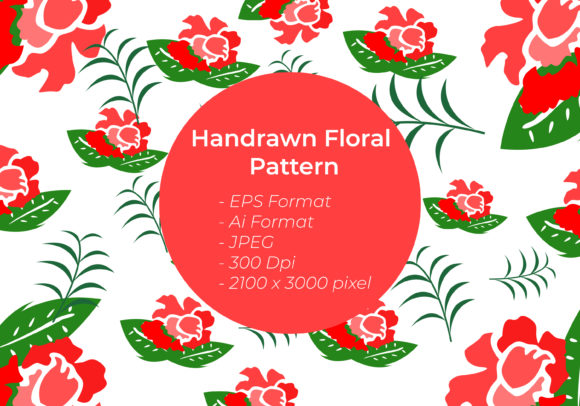
These patterns are typically available in various file formats such as AI (Adobe Illustrator), EPS (Encapsulated PostScript), and JPEG. With dimensions of 2100 x 3000 pixels, RGB color mode, and a resolution of 300 dpi, they are ideal for both digital and print applications. This high-resolution format ensures clarity and detail when applied to large-scale projects like posters or book covers.
Why Consider Elegant Floral Patterns?
There are several reasons why someone might be interested in using elegant floral patterns. First, these designs are universally appealing. The natural beauty of flowers has long been associated with elegance, femininity, and refinement, making them a popular choice across cultures and design styles.
Second, elegant floral patterns offer versatility. They can be adapted to suit different themes, from classic and traditional to modern and contemporary. This adaptability makes them suitable for a wide range of creative projects, including book covers, home decor, fashion, and more.
Additionally, these patterns provide a sense of continuity and cohesion in design. When used effectively, they can unify elements within a composition, creating a balanced and aesthetically pleasing result.
Benefits and Tradeoffs of Using Elegant Floral Patterns
The primary benefit of using elegant floral patterns is their ability to enhance the visual appeal of a project. They add depth, texture, and interest without overwhelming the viewer. For example, a book cover featuring an elegant floral pattern can attract attention while conveying a sense of sophistication and style.
Another advantage is their ease of customization. Many floral patterns come in editable vector formats like AI or EPS, allowing designers to modify colors, scale, and layout to match specific needs. This flexibility ensures that the pattern can be tailored to fit the overall design concept.
However, there are also tradeoffs to consider. One potential downside is that overly complex floral patterns can become distracting if not used carefully. It’s important to balance the intricacy of the design with the other elements on the page or surface.
Additionally, while floral patterns are widely appealing, they may not be the best choice for every project. In some cases, a minimalist or geometric design may be more appropriate, depending on the intended audience and purpose.
Situations Where Elegant Floral Patterns Are a Strong Fit
Elegant floral patterns are particularly well-suited for projects that aim to evoke a sense of tradition, luxury, or natural beauty. For instance, they are often used in the design of wedding invitations, greeting cards, and decorative home items where a soft, romantic aesthetic is desired.
In book cover design, elegant floral patterns can help convey the theme of a story, especially if it involves nature, romance, or historical settings. Similarly, they can be used in wallpaper design to create a calming and inviting atmosphere in a room.
They are also effective for branding materials that want to communicate elegance and refinement, such as packaging for luxury products or high-end fashion lines.
When to Consider Alternatives
While elegant floral patterns are a strong choice for many projects, there are situations where alternatives may be more appropriate. For example, if the goal is to create a modern or minimalist design, a floral pattern may not align with the intended style.
Additionally, if the target audience prefers bold, abstract, or geometric visuals, a floral pattern may not be the best fit. In such cases, alternative patterns like geometric shapes, abstract art, or minimalist line work could be more effective.
It’s also worth considering the context in which the pattern will be used. For instance, in a high-contrast environment, a highly detailed floral pattern may lose its clarity or become too busy.
Practical Insights for Choosing Elegant Floral Patterns
When selecting an elegant floral pattern, it’s important to consider the overall design goals and the intended use. Start by evaluating the message you want to convey and how the pattern can support that message.
Consider the color palette as well. While many floral patterns come in traditional pastel shades, they can also be adapted to more vibrant or monochromatic schemes. Choosing colors that complement the rest of the design will ensure a cohesive look.
Also, think about the scalability of the pattern. A high-resolution file with a resolution of 300 dpi is essential for print projects, but for digital use, the same quality can enhance the visual experience on screens.
Finally, test the pattern in different contexts before finalizing your design. See how it looks on different backgrounds, sizes, and alongside other design elements. This will help ensure that the pattern enhances rather than detracts from the overall composition.
By carefully considering these factors, you can determine whether an elegant floral pattern is the right choice for your creative project and how best to use it to achieve your design goals.