Linear Fish: A Strategic Tool for Purposeful Design and Planning
In a world where visual communication is more critical than ever, the right design elements can make all the difference. Linear Fish is not just a pattern—it's a strategic resource that offers unique value to creators, marketers, and professionals who seek clarity, consistency, and creativity in their work. Whether you're designing branding materials, crafting digital assets, or planning content strategies, understanding how to use Linear Fish intentionally can help you achieve better outcomes.
The Strategic Value of Linear Fish
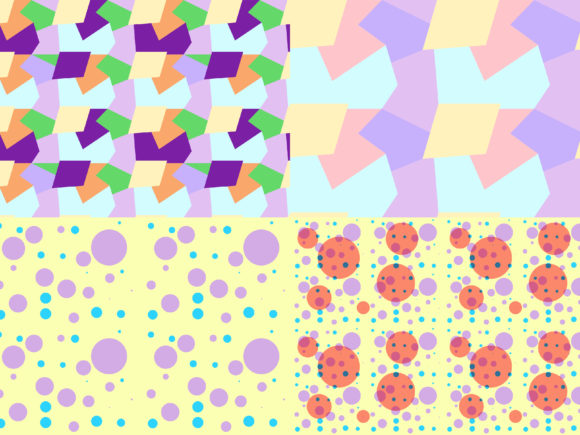
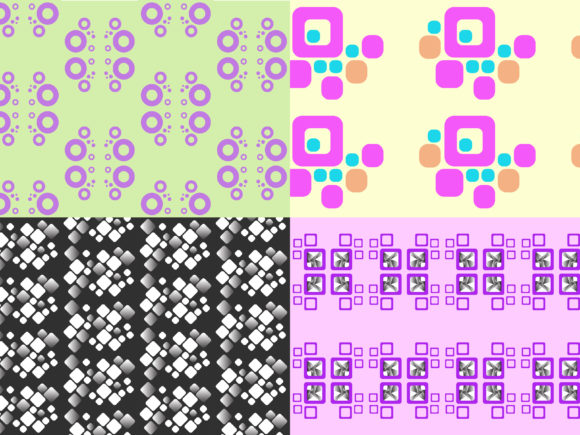
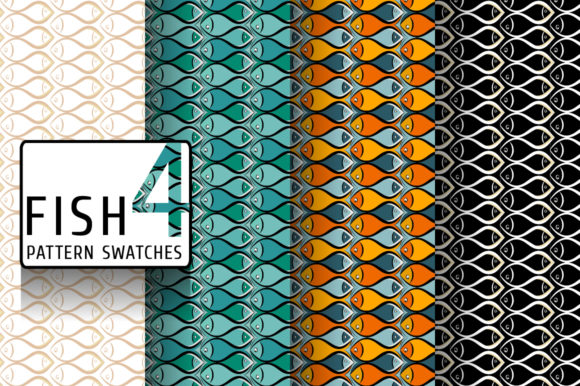
Linear Fish is a seamless pattern that combines clean lines with organic flow, making it versatile for a wide range of applications. Its structured yet fluid nature allows it to adapt to different contexts without losing its core identity. This balance between order and creativity makes it particularly useful for those who need both aesthetic appeal and functional design.
From a strategic perspective, Linear Fish supports goal alignment by providing a consistent visual language. When used in branding, it helps reinforce brand identity across multiple touchpoints. In marketing, it can be integrated into campaigns to maintain visual cohesion and enhance message retention. For professionals, it serves as a tool to streamline creative processes while ensuring quality output.
How Linear Fish Supports Strategic Objectives
One of the key strengths of Linear Fish is its ability to support long-term goals. By offering scalable and repeatable design elements, it enables users to create content that aligns with broader objectives. Whether you're building a website, designing print materials, or developing digital assets, Linear Fish provides a foundation that can evolve with your needs.
Consider the role of Linear Fish in planning. It simplifies decision-making by reducing the complexity of choosing design elements. Instead of sifting through countless options, users can rely on a single, well-structured pattern that fits seamlessly into their workflow. This efficiency is especially valuable for small businesses and freelancers who need to maximize productivity without compromising quality.
Additionally, Linear Fish enhances communication by creating a visual rhythm that guides the viewer’s attention. This is particularly useful in educational and informational contexts where clarity and engagement are essential. The pattern’s linear structure helps organize information in a way that is both intuitive and memorable.
Practical Use Cases for Linear Fish
- Branding: Use Linear Fish as a background element in logos, business cards, and packaging to create a cohesive brand identity.
- Marketing Materials: Incorporate Linear Fish into social media graphics, email templates, and banners to maintain visual consistency across platforms.
- Digital Assets: Apply Linear Fish to websites, apps, and presentations to enhance user experience and reinforce brand messaging.
- Content Creation: Utilize Linear Fish as a design base for infographics, reports, and other visual content to improve readability and engagement.
Each of these use cases demonstrates how Linear Fish can be strategically applied to support specific goals. However, its effectiveness depends on how it is integrated into the overall strategy. Simply using Linear Fish without clear intent may lead to a lack of focus or misalignment with broader objectives.
When to Use Linear Fish and How to Approach It
Before relying on Linear Fish, it’s important to consider the context in which it will be used. Linear Fish is best suited for projects that require visual continuity, scalability, and a strong design foundation. It is particularly effective in environments where repetition and consistency are key, such as branding, marketing, and digital design.
To approach Linear Fish effectively, start by defining your goals. Are you looking to build a brand identity? Create engaging content? Or streamline your design process? Once you have a clear objective, select the appropriate format—whether it’s EPS-CS files for professional design tools or high-resolution JPGs for web and print.
It’s also important to consider the audience. Linear Fish is designed to be adaptable, but its impact will vary depending on the target demographic. For example, a pattern that works well for a professional audience may not resonate as strongly with a younger, more casual group. Understanding your audience ensures that Linear Fish is used in a way that aligns with their expectations and preferences.
Key Considerations Before Using Linear Fish
- Define Your Goals: Ensure that Linear Fish aligns with your project’s purpose and desired outcomes.
- Assess the Context: Determine whether the pattern will be used for print, digital, or hybrid applications.
- Test for Versatility: Experiment with different color variations and layouts to see how Linear Fish performs in various settings.
- Evaluate Long-Term Impact: Consider how the pattern will continue to serve your needs over time.
By taking these steps, you can ensure that Linear Fish is used in a way that maximizes its strategic value. This intentional approach helps avoid common pitfalls, such as overuse, misapplication, or failure to meet specific design requirements.
Risks of Using Linear Fish Without Clear Direction
While Linear Fish offers significant benefits, its misuse can lead to unintended consequences. One of the primary risks is visual clutter. If not applied thoughtfully, the pattern’s repetitive nature can overwhelm the design, making it difficult for the audience to focus on the intended message.
Another risk is brand dilution. Using Linear Fish without a clear strategy can result in a disjointed brand identity. This is especially problematic in marketing and advertising, where consistency is crucial for building trust and recognition.
Additionally, relying on Linear Fish without considering the broader context can limit creative exploration. While the pattern provides a solid foundation, it should not replace original design thinking. Instead, it should serve as a tool to enhance, not restrict, the creative process.
Using Linear Fish Intentionally for Better Results
To use Linear Fish effectively, it’s essential to integrate it into a broader strategic framework. Start by identifying the specific needs of your project and then determine how Linear Fish can contribute to those needs. This might involve selecting the most appropriate color scheme, adjusting the pattern’s scale, or combining it with other design elements to create a balanced composition.
For example, if you’re designing a website, you might use Linear Fish as a subtle background to guide the user’s eye without overpowering the content. In contrast, for a print campaign, you might use the pattern as a central design element to reinforce the brand’s visual identity.
Another important consideration is user experience. The pattern should enhance the overall experience rather than detract from it. This means testing how Linear Fish interacts with other design elements and ensuring that it supports the user’s journey, whether they are browsing a website, reading a report, or engaging with a product.
Strategic Observations and Decision-Making Guidance
When deciding whether to use Linear Fish, ask yourself the following questions:
- Does this pattern align with my overall design strategy?
- Will it enhance the user experience or create distractions?
- Is there a clear purpose for its use?
- Can it be adapted to fit different formats and platforms?
- Will it support long-term goals or simply serve as a short-term solution?
These questions help ensure that Linear Fish is used in a way that adds value rather than complicating the design process. They also encourage a more thoughtful and deliberate approach to design decisions, which is essential for achieving meaningful results.
Conclusion
Linear Fish is more than just a design pattern—it’s a strategic asset that can enhance creativity, communication, and consistency. By using it intentionally and with clear goals in mind, professionals can unlock its full potential and achieve better outcomes in their work. Whether you’re an entrepreneur, marketer, educator, or freelancer, integrating Linear Fish into your toolkit can help you make smarter design choices and drive greater success.